
Tracing Former Salem Property Owners
The chain worksheet below lets you log each Salem transfer. It does so exactly as the clerk's index shows it. The rows describe a search position only. The worksheet holds no live Salem deed results, so no names, deed dates, book/page numbers, or instrument types belong here. Fill each cell from the actual deed. Keep the parcel or legal description beside both parties.
| Transfer point | Transfer date | Grantor → grantee | Deed type and book/page |
|---|---|---|---|
| Most recent conveyance | Copy the recording date | Current grantee ← named grantor | Copy exact type and reference |
| Prior deed into that grantor | Read from the earlier instrument | Earlier grantee ← its grantor | Match the legal description |
| Next earlier transfer | Read from the prior instrument | Repeat the grantor-to-grantee step | Carry forward book/page or number |
| Offline continuation | As shown in the older book | Search variants and locality terms | Ask clerk which older index volume applies |
The Virginia SRA landing page gives no Salem earliest-online year. The clerk’s local rules govern image availability. Salem’s subdivision-plat collection is clearer. Its public page offers plats recorded since the City incorporated in 1968. Land books arrive as annual PDFs, with 2025 and 2026 material inspected. For older deed books, indexes, and archival records, the route runs through the clerk or the library. That route applies once the online index stops short of the year you need.
Walking Salem’s Deed Chain Backward
A backward search starts at the current grantee. From there, each recorded transfer points to the deed that put the prior owner in title. A grantor conveys the interest. A grantee receives it. Because Salem’s index is organized by party and recording date, copy each name exactly as indexed and chase variants when the chain shifts from an individual to a trust, estate, or company. Track the legal description along with the names, or an adjacent lot may slip quietly into the same history.
- Find the newest deed into the current grantee and confirm its parcel description.
- Copy the grantor name, recording date, deed type, book/page or instrument number, and any prior reference.
- Search that grantor as grantee to locate the preceding deed into that party.
- Repeat through each transfer; when the online search stops, continue with the clerk’s earlier indexes or books.
- Grantor and grantee
- The parties who convey and receive the interest named in a deed.
- Chain of title
- The dated sequence of instruments that links one owner to an earlier one.
- Legal description
- Land wording that can remain useful after a street name or number changes.
- Book/page or instrument number
- The clerk’s retrieval reference; copy it in the exact form shown.
Salem SRA Has No Published Cutoff Year
Virginia Secure Remote Access lets anyone search land records in localities where the circuit-court clerk has enabled online access. Salem’s official clerk page does not state the earliest year its online index covers. The SRA system also separates index access from images: an index may be free while images need a subscription the local clerk authorizes. So a blank result does not prove a deed never existed. Nor does it prove the record series starts at the first year returned online. Start from a verified parcel reference in a current land book. Then search the latest grantee and legal description. If the chain stops at an online boundary, call the Salem Circuit Court clerk at 540-375-3067 and ask whether older deed books, grantor-grantee indexes, microfilm, or archived volumes reach the earlier years. Ask about image and certified-copy charges too, because the clerk publishes no complete Salem fee schedule online. Use the Virginia SRA land-record search to begin with the recorded parties and reference.
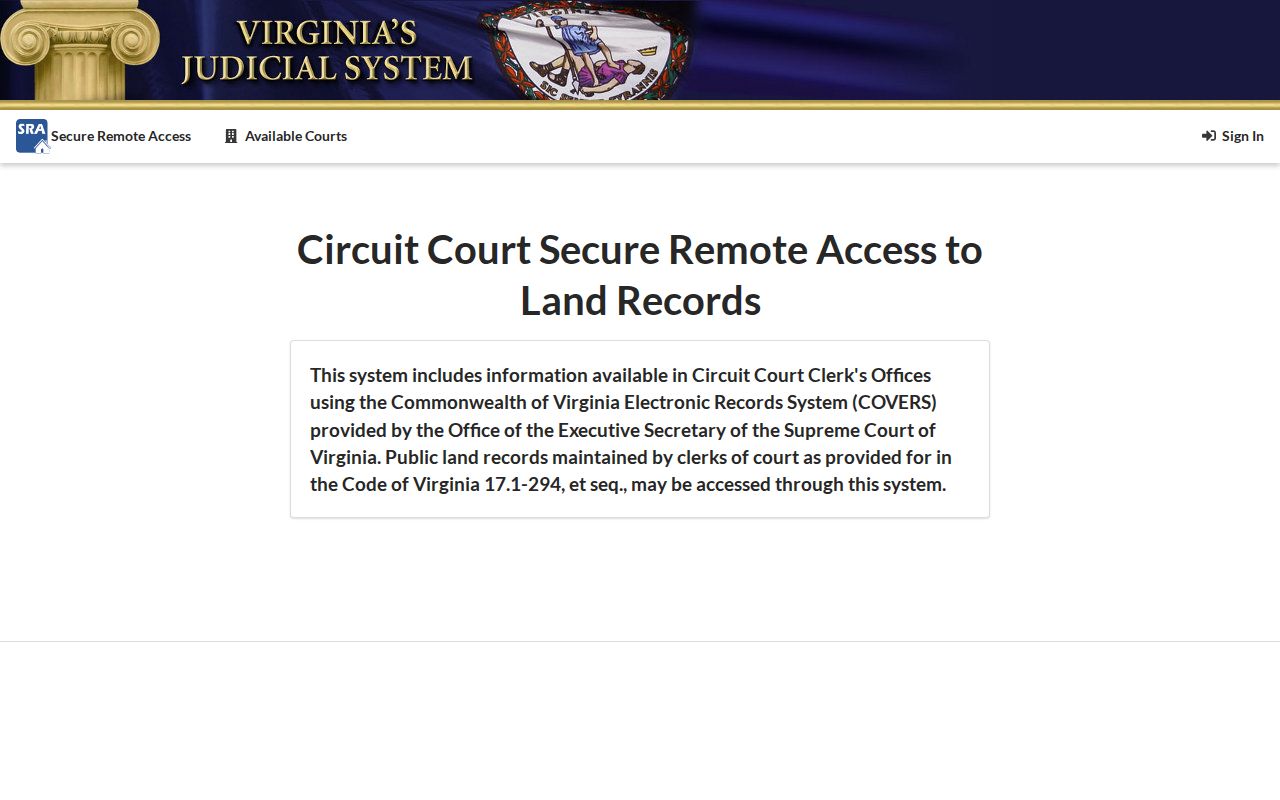
The statewide land-record entry page is what this image shows; it is not a Salem instrument. Review the SRA index and image-access rules before assuming any deed image is free.
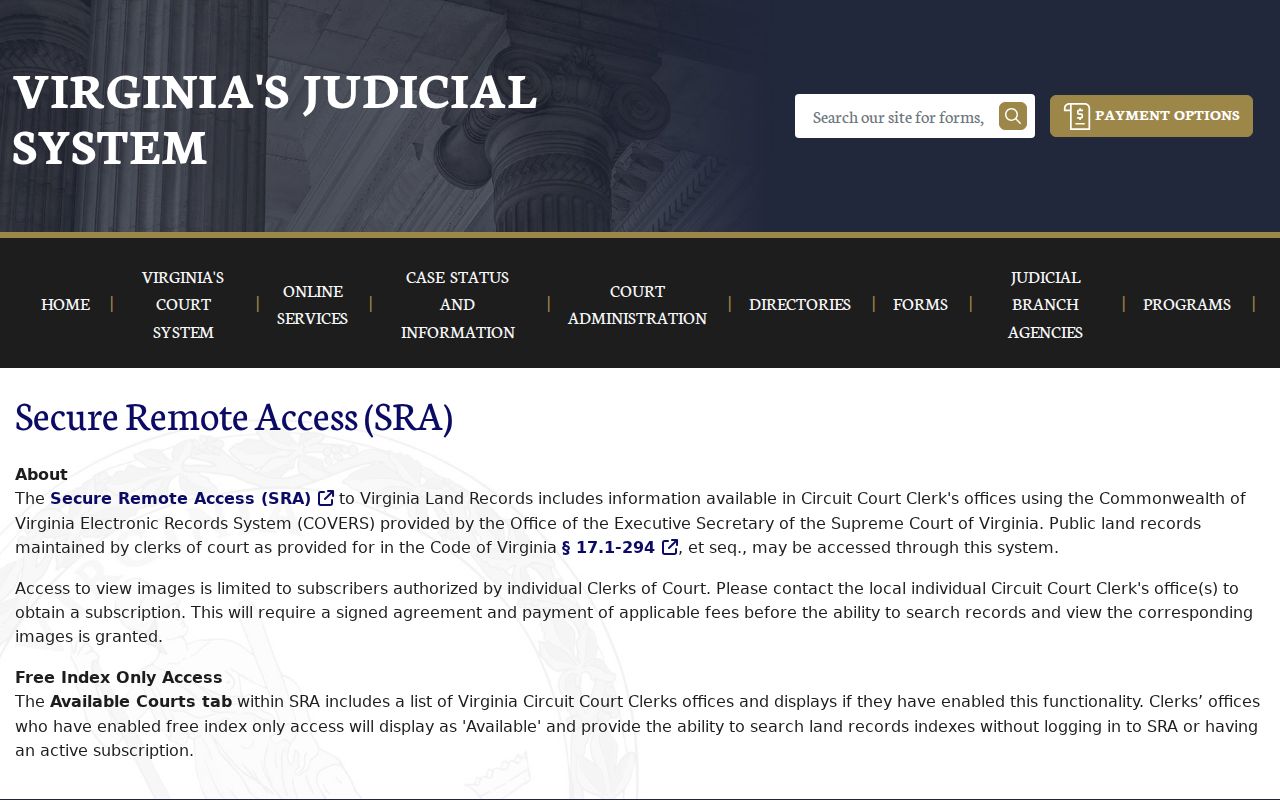
Give the clerk a book/page or instrument reference from the index when requesting an older copy.
Salem Plats Preserve Earlier Land Names
Salem’s recorded subdivision plats are posted back to the City’s incorporation in 1968. File names combine “S” with book and page, like S2 33. The index lists additions and company tracts. Entries include Glenmore, Kaseys Addition, McCauley Addition, Salem Improvement Co., College Heights, Robin Hood Park, Beverly Heights North, Fairway Forest, and North Springs Garden. Those labels can surface in an old deed. They can also surface in a tax-roll description long after a current address feels more familiar. Later Salem land books add Yorkshire Court, Orchard Court, Forest Lawns Annex #3, B&O Land Co. 2nd Division. They also add Yeakel Plat. Search the exact phrase in the plat index. Note the book/page and lot/block, then match that wording against the next deed. A subdivision name may point to a parent tract or a resubdivision. It is not always a modern neighborhood boundary. The Salem deed-record page covers individual instrument copies and the clerk’s access path.
Older Salem Chains Use Old Locality Names
Salem was founded in 1802. It became Roanoke County’s seat in 1838 and turned independent city in 1967. South Salem was annexed in 1953 and an eastern tract in 1960. A deed or directory written before or during those boundary changes may say Town of Salem. Or it may say Roanoke County. Search those names beside the subdivision or land-company phrase. Then check the current City Limits GIS layer. This shows whether the modern parcel sits in Salem or a neighboring jurisdiction. This matters most when a chain seems to jump across a locality name change. The older instrument may still describe the right land. Today’s assessor and Circuit Court index may say City of Salem. The City’s Annexation 1927–1967 time-lapse, plats, and historic maps help normalize the location. They do not replace the deed itself.
Salem Library Sources Add House Context
Names and dates from the deed chain answer who and when. Salem library collections explain the rest of the story: the household, the business, the street. Ancestry Library Edition works in-library and covers court, land, probate, census, directory, and vital records. Digital Sanborn Maps show old building footprints and street form. HeritageHub holds obituaries and death notices from 1704 to the present. The Roanoke Times Collection can surface legal notices. Access World News can surface development stories tied to a parcel.
Check Salem Library’s research resources for current database access and remote-login details.
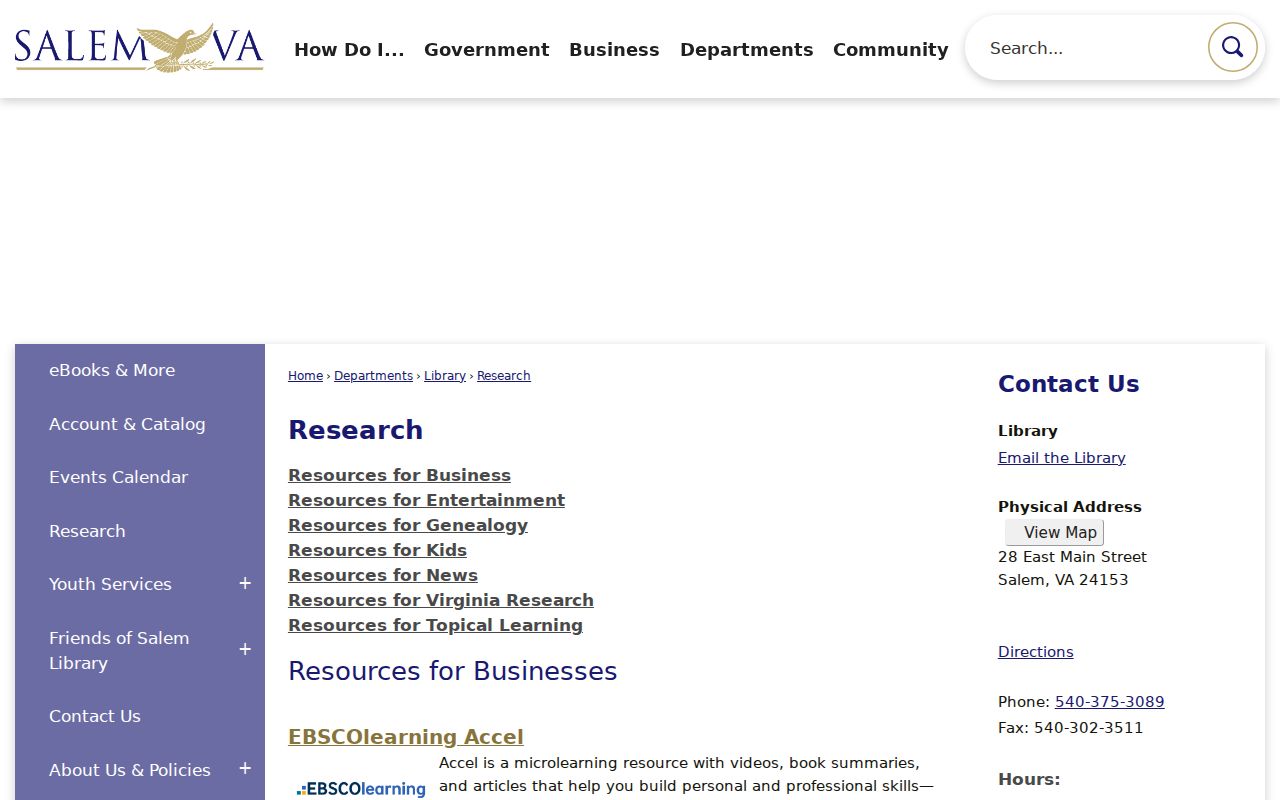
The library page lists tools for historical context but publishes no year-by-year Salem city-directory runs. Open Salem’s local-history links for cemetery, museum, and yearbook references.
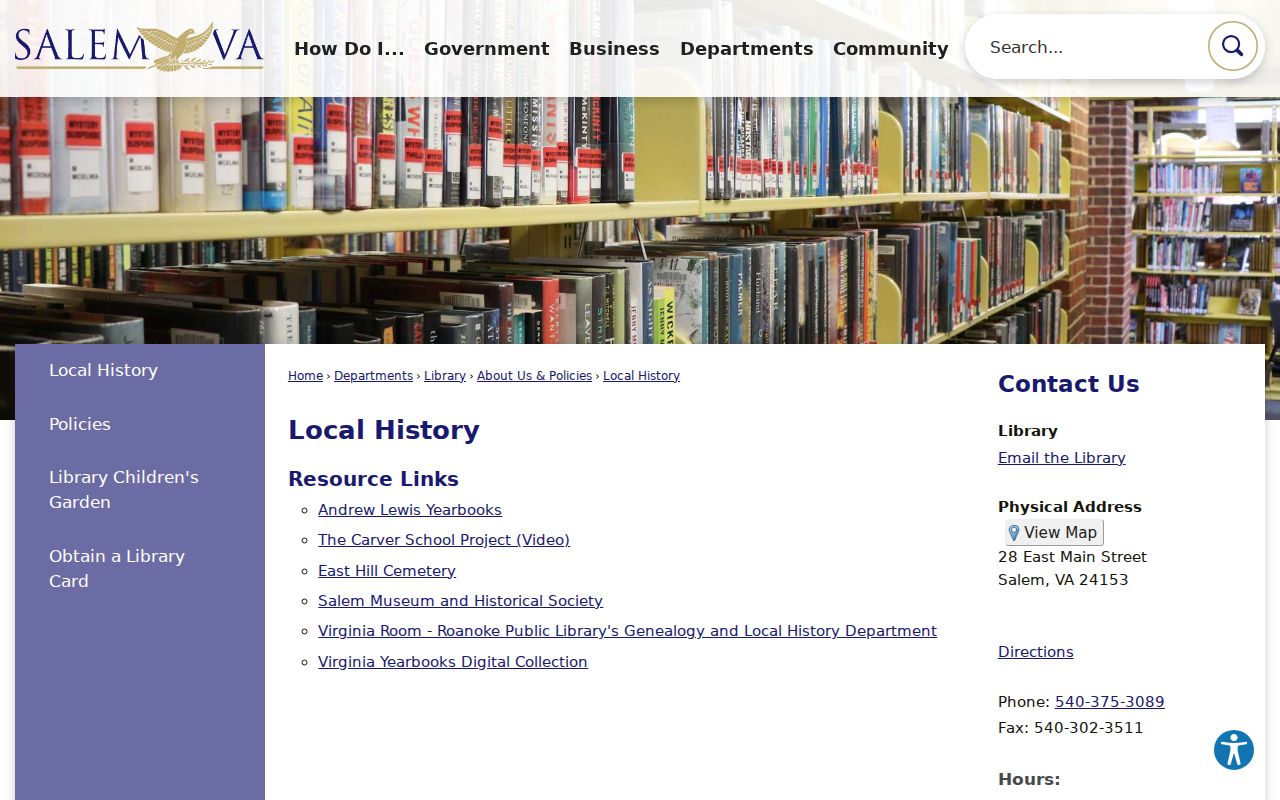
A directory entry maps use and location; only the deed records a conveyance.
Salem Estate Transfers Can Break the Name Chain
Not every former owner shows up in a plain sale deed. Property can pass by will, fiduciary deed, deed of distribution, trustee, survivorship, gift, or probate sale. Search the decedent’s name, the executor or administrator, the trust, and the later grantee. Salem Circuit Court holds both probate and land records. Virginia vital records can fix a death date, but only for requesters who meet the access rules. A death certificate proves death, not title.
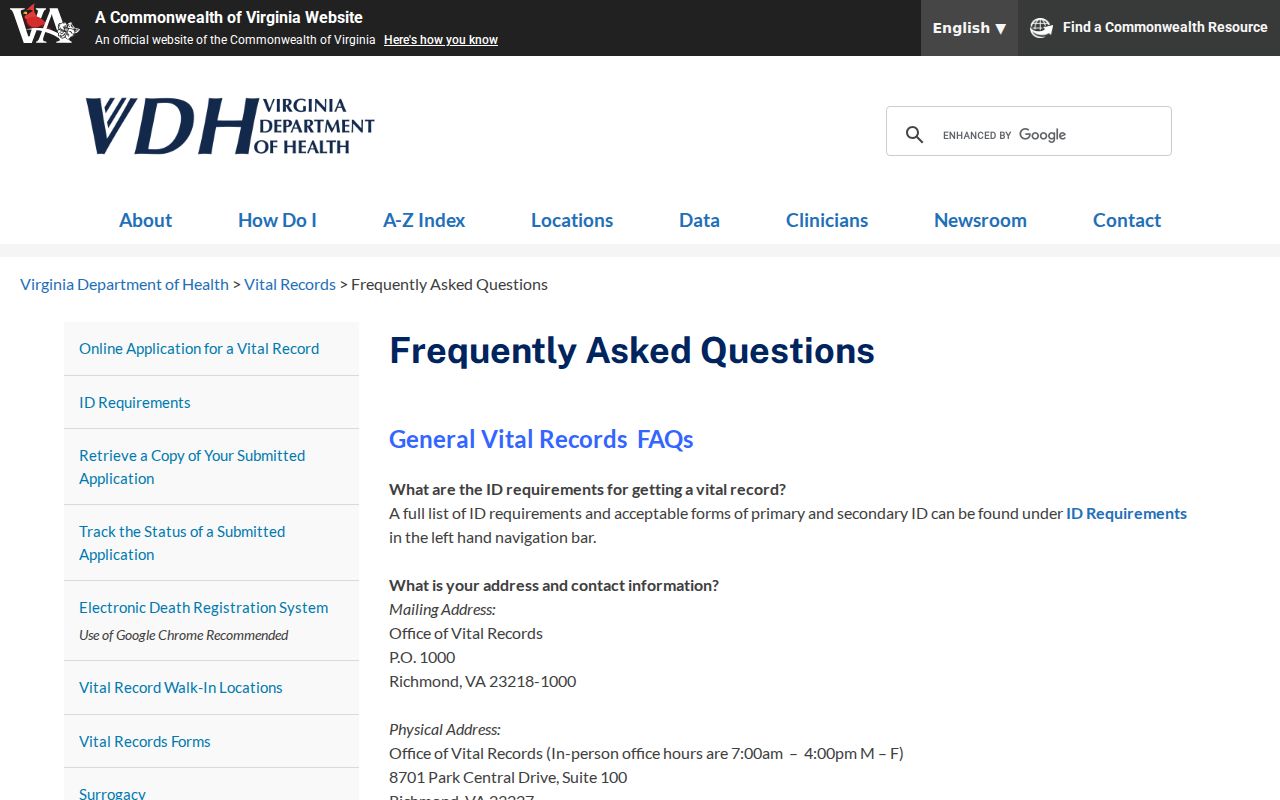
Birth records open to the public after 100 years. Death, marriage, and divorce records follow after 25 years. Earlier access generally requires an eligible requester with identification, and the VDH certificate or search fee is $15. The state case-information hub offers no statewide circuit-court search, so Salem probate and property matters stay with the local court or clerk.
Review Virginia vital-record rules before requesting a certificate.
For court-file routing, Virginia’s case-information hub explains that circuit-court searches remain local.
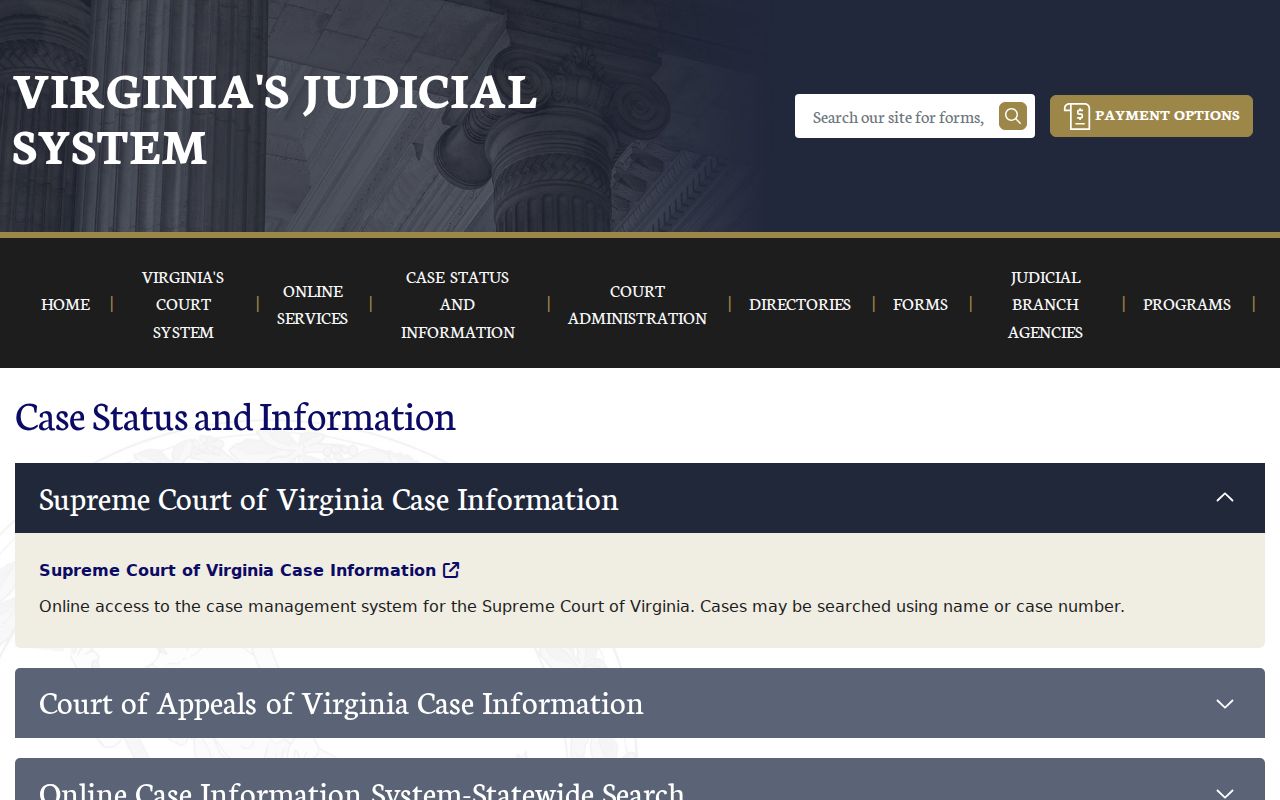
Treat the court image as a routing aid. Then ask Salem’s clerk about the specific file and its access conditions.
How Far Back Salem Ownership Records Go
Salem’s official pages do not state the earliest year in the online deed index or the local imaging cutover. The Circuit Court clerk remains the fallback. The clerk holds deed books, grantor-grantee indexes, plats, deeds of trust, judgments, releases, wills, probate papers, and tax-sale files. Salem’s public subdivision-plat set starts with the City’s 1968 incorporation. Land books publish by tax year. No courthouse fire or other record-loss event appears in Salem history. Assume none explains a gap.
When a chain stops, note the last solid reference. Ask the clerk which earlier index or volume comes next. Search spelling variants, initials, married names, corporate suffixes, “trustee,” “executor,” and “estate of.” If the legal description leans on acreage, water, a cemetery, or a parent tract, compare it against the plat and tax map before concluding an owner is missing.
Lawful use. Salem former-owner research supports property history, estate work, and title diligence. Do not use names or mailing addresses to track or harass a living person. A chain assembled from public indexes is not a title opinion.